
HOW TO GET QUALITY SLEEP WHEN WORKING NIGHT SHIFTS
How to get quality sleep when working night shifts
As our 24-hour society grows, more people are working at night.
Working shifts can be very difficult for the body and mind. Night workers often speak about finding it difficult to sleep during the day or on their time off. So how can we improve the experience of work?
At Night Club, we bring sleep researchers together with shift workers and employers to explore how to have a better and healthier experience of working at night.
Here is a bite-sized version of the advice we give, based on evidence from sleep and circadian science, of how to get better sleep for night shift workers,
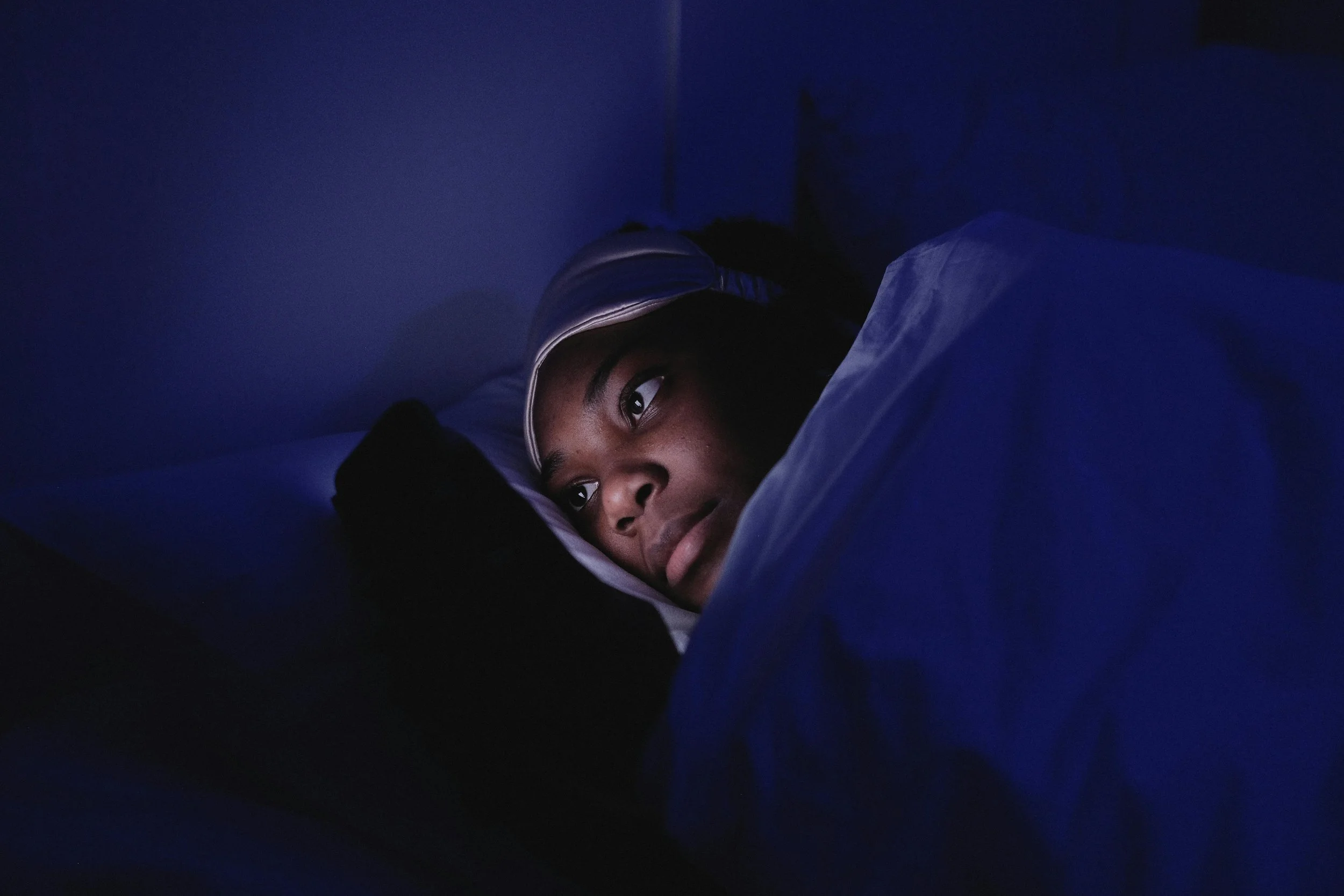
Use light to take control of the night
Light is one of the most powerful tools we have for managing sleep when working night shifts. Your body clock (also known as your circadian rhythm) is controlled largely by light exposure, and it affects everything from hormones and heart rate to mood and alertness.
Night work exposes you to light at times your body isn’t expecting it, which can make you feel “out of sync.” Being strategic about light can help.
When you wake up, expose yourself to bright light for around 30 minutes to help your body feel alert.
At the beginning of your shift, aim for at least 30 minutes of bright or blue-enriched light to support wakefulness.
After your shift, limit light exposure as much as possible. Turning off electronic devices and wearing orange or blue-light–blocking glasses (once you’re no longer driving) can help signal to your brain that it’s time to wind down.
Make your bedroom as dark as possible using blackout blinds and a good-quality eye mask
These small adjustments can make a significant difference to how easily you fall asleep and how rested you feel.
Understand your unique body clock
Everyone has a different chronotype – a natural preference for sleeping and waking times that is influenced by genetics. Some people naturally cope better with nights than others, and knowing this can be empowering.
Understanding your chronotype can help you:
Make sense of why night shifts feel easier or harder for you.
Explain your experience to friends, family, or colleagues.
Adjust your sleep and light exposure more effectively.
Some night workers benefit from sleeping in two blocks rather than one long stretch. For example:
First sleep block: Sleep as soon as you get home from your shift.
Second sleep block: Have a longer sleep in the late afternoon, ideally waking shortly before work. This second block is often most effective if it lasts around 90 minutes or 3 hours.
Create a “sleep haven” at home
Daytime sleep is often lighter and more easily disturbed, so your sleep environment really matters. Think of your bedroom as a dedicated sleep haven.
Key elements include:
Removing phones, tablets, and other screens that emit blue light.
Keeping the room as dark, quiet, and cool as possible.
Investing in comfortable bedding, earplugs, or white noise if needed..
If you’re struggling to fall asleep, avoid lying in bed feeling frustrated. The “quarter-of-an-hour rule” can help: if you’re not asleep after roughly 15 minutes, get up, move to another room, and do something relaxing until you feel sleepy again. Don’t clock-watch – just estimate the time.
Build a consistent wind-down routine
Sleep routines are especially important for night workers. A clear wind-down period helps your body and mind transition from work to rest.
Try to:
Keep lights low and soft for at least 30 minutes before sleep.
Avoid large meals right before bed.
Go to bed and wake up at similar times where possible, even on days off.
If sleep feels particularly difficult, allow up to 90 minutes to properly unwind. Changing into night clothes, listening to calming music, reading, or practising relaxation techniques such as progressive muscle relaxation can all help.
Eat in a way that supports sleep and energy
Night work disrupts hormones that regulate hunger, often leading to cravings for sugary or fatty foods when your body is least able to process them.
To support both alertness and sleep:
Choose sustained-energy foods during your shift, such as eggs, lean meats, fish, beans, nuts, fruit, and green vegetables.
Eat a light “breakfast” before bed after work to avoid digestion interfering with sleep.
Include foods that promote sleepiness, such as milk, yoghurt, oats, wholegrains, walnuts, or cherries.
Be mindful of stimulants. Caffeine can stay in your system for around six hours, so avoid it in the second half of your shift. Alcohol and nicotine may seem helpful but actually reduce sleep quality.
Use exercise wisely
Regular exercise benefits sleep and overall health, and even light activity can help counter some of the negative effects of shift work.
Aim for around 30 minutes of light cardio, such as walking or jogging, each day.
Exercising before work can increase alertness and help reset your body clock.
Exercise before sleep affects people differently, so experiment to find what works for you.
Look after your mental wellbeing
Sleep and mental health are closely linked. Poor sleep can affect mood, motivation and how we cope with everyday challenges, which in turn can make sleep even harder.
Helpful strategies include:
Clearly communicating with family and friends about protecting your sleep time.
Scheduling important conversations at times when you’re better rested.
Making space for activities that lift your mood and maintain social connection.
Using breathing or relaxation exercises to calm a racing mind.
If poor sleep is affecting your wellbeing or daily functioning, seeking support is a sensible and positive step.
Final thoughts
Working night shifts will always come with challenges, but quality sleep is possible with the right tools and understanding. By managing light exposure, creating a supportive sleep environment, eating and exercising strategically, and looking after your mental health, you can improve both your sleep and your experience of working at night.
At Night Club, we believe that better nights lead to healthier lives – for workers, employers and our 24-hour society as a whole. Find out more about how to get good sleep when working the night shift at www.night-club.org.