
shift worker safety and sleep: why fatigue management matters in the workplace
Shift worker safety and sleep: why fatigue management matters in the workplace
While most of the world sleeps, millions of shift workers are still on the job – caring for patients, moving goods, maintaining infrastructure and keeping essential services running. Yet despite the demands placed on night workers, the impact of shift work on health, safety and performance is still too often overlooked.
That was the central theme of a recent webinar hosted by Night Club in partnership with TimeShifter and Health Safety Digital, where industry experts explored the growing evidence around sleep disruption, fatigue and circadian health – and what organisations can do to better support their workforce.
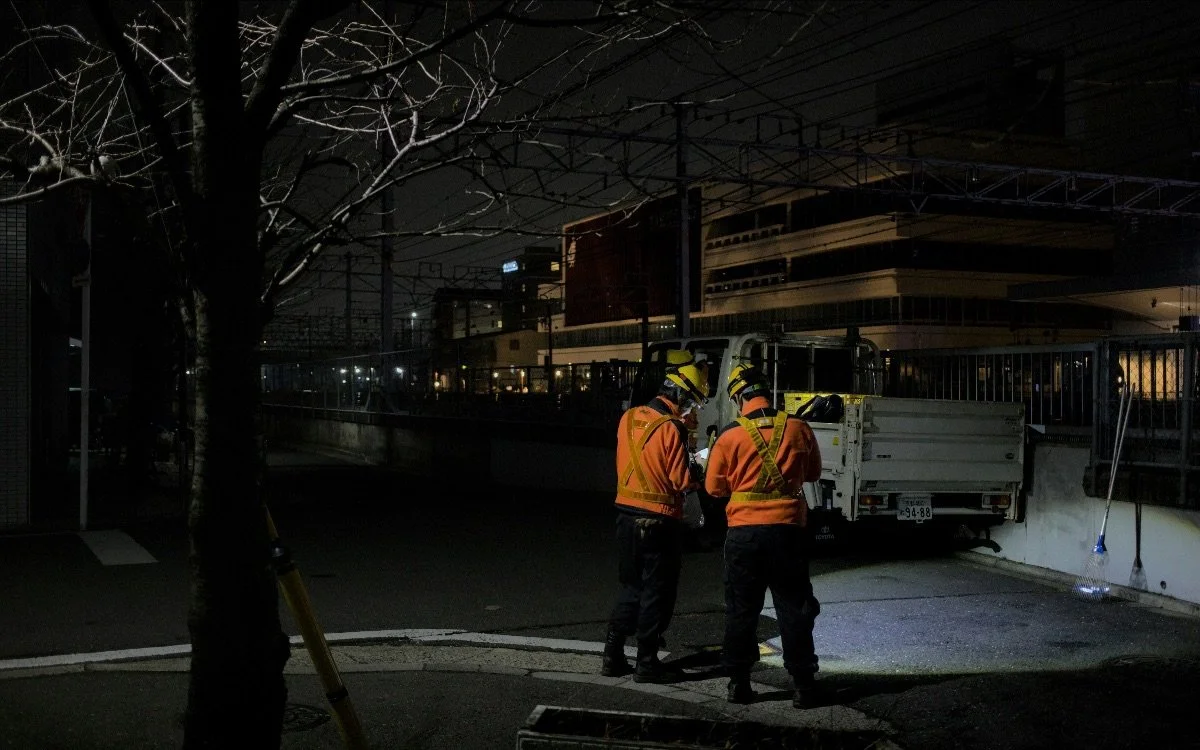
The discussion highlighted a stark reality: shift work is not simply only a scheduling challenge but also a biological challenge.
Dr Steven Lockley, Chief Scientist at TimeShifter, explained that shift work is fundamentally a circadian issue rather than just a sleep issue. The body’s internal clock regulates essential functions including alertness, mood, sleep and cognitive performance over a 24-hour cycle. When employees are required to work against that clock, the effects can be significant.
Most night workers never fully adapt to overnight schedules, meaning they are often working when their brains are biologically primed for sleep. This misalignment contributes to reduced concentration, slower reaction times and increased fatigue – all of which directly affect workplace safety and performance.
The risks are well documented. Working at night increases the likelihood of accidents by around 30%, with the risk climbing even higher after consecutive night shifts. Long-term circadian disruption has also been linked to heart disease, diabetes, depression and certain cancers.
Beyond the human impact, the webinar explored the wider business implications. Sleep disruption associated with shift work is estimated to cost the UK economy £50 billion every year through absenteeism, staff turnover, workplace accidents and lost productivity. For employers, fatigue management is a commercial and operational priority.
A key theme throughout the session was the idea that night workers often become a “forgotten workforce”.
Catherine Murden, an experienced people and culture leader, spoke about the importance of leadership engagement in improving outcomes for shift workers. She explained that many organisations unintentionally design wellbeing initiatives around daytime employees, leaving night teams feeling overlooked or disconnected.
Her message was clear: supporting shift workers cannot sit solely with HR or health and safety teams. It requires a wider organisational commitment, with leaders actively listening to workers, understanding their challenges and recognising the realities of night work.
Importantly, businesses that invest in shift worker wellbeing often see measurable benefits. Improved engagement, stronger retention, reduced absence and better attention to safety have all been linked to targeted fatigue and sleep support programmes.
The webinar also focused heavily on practical solutions.
Ben Lumley, our Co-Head of Night Club, shared how education can empower workers to better understand and manage the effects of shift work. Through evidence-based workshops delivered directly in workplaces, Night Club helps employees improve sleep habits, optimise light exposure, manage caffeine intake and support their mental wellbeing.
Many of the strategies discussed were simple but highly effective. Workers were encouraged to get at least 30 minutes of bright light exposure before starting a shift, avoid caffeine roughly six hours before sleep, and use techniques like the “15-minute rule” – getting out of bed briefly if unable to sleep rather than lying awake frustrated.
The role of the workplace environment was also highlighted. Dr Lockley explained that blue-enriched lighting in night workplaces can improve alertness and safety, while poorly designed warm lighting may unintentionally promote sleepiness. Better shift scheduling, fewer consecutive night shifts and avoiding abrupt transitions between day and night work were also identified as important interventions.
Alongside education, technology is increasingly helping workers manage fatigue more effectively. TimeShifter’s app provides personalised guidance based on an individual’s shift pattern and chronotype, offering hour-by-hour recommendations on sleep, naps, caffeine and light exposure.
What emerged from the webinar was a strong consensus that the science around sleep and circadian health is advancing rapidly, but workplace practices are often lagging behind.
For organisations that rely on shift workers, the message was simple: taking sleep and fatigue seriously is not optional. Better support for night workers can improve safety, strengthen wellbeing and create healthier, more productive workplaces.
As awareness around fatigue and circadian disruption continues to grow, sleep is increasingly becoming one of the most important conversations in workplace health and safety – and one that businesses can no longer afford to ignore.