
How to sleep on days off when you work night shifts
Working night shifts can make your days off feel like a balancing act.
You want to catch up on sleep, but you also want to see friends, spend time with family and actually enjoy your time away from work. Sleeping through the day might help you recover, but staying on a night-shift schedule all the time can make it harder to have a social life.
So, how do you find the balance?
There’s no single routine that works for every night worker. Your shift pattern, your body clock and your life outside work all matter. But there are some ways to protect your sleep without giving up your days off.
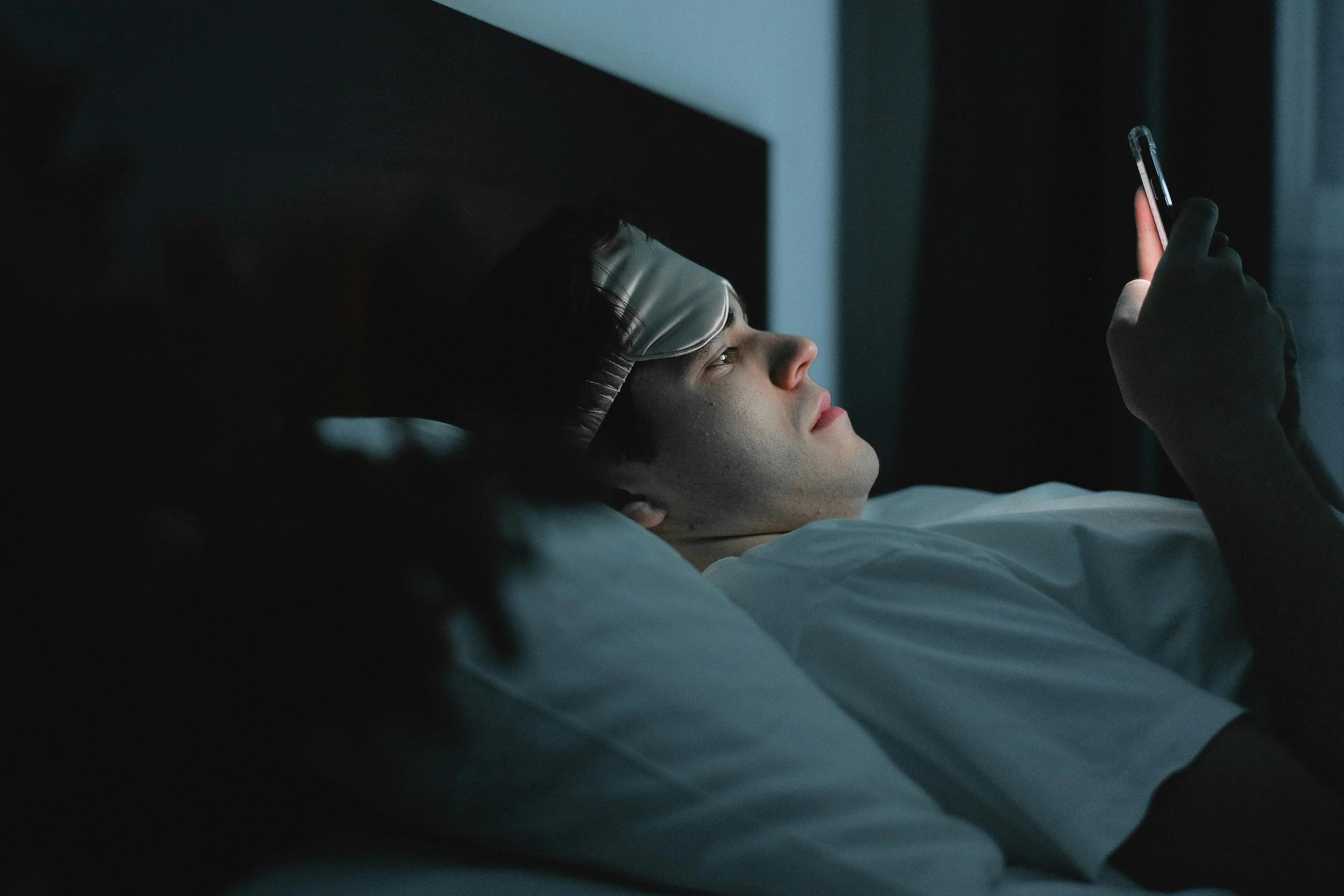
Should you change your sleep schedule on days off?
One of the biggest questions night workers face is whether to switch back to a daytime schedule on days off.
If you work several nights in a row, keeping broadly similar sleep and wake times can make it easier for your body to know when it is time to sleep. Night Club recommends keeping your bedtime and wake-up time as consistent as possible, including on days off, where practical.
But that doesn't mean you need to spend every day off sleeping while everyone else is awake.
For some people, maintaining a completely nocturnal schedule on days off simply isn't realistic. You might want to have breakfast with your children, meet a friend for lunch or go out for the afternoon.
Rather than trying to switch completely between night and day, it can help to find a compromise.
Keep some consistency
If you are wondering how to sleep on days off night shift, start by thinking about what you can keep consistent.
You might keep a later-than-average bedtime and wake-up time on your days off, rather than immediately returning to a conventional 10pm–7am schedule.
For example, if you normally sleep from around 9am to 4pm after a night shift, you might shift that to something like 2am–10am on a day off. This gives you more daytime and evening hours for socialising while avoiding a complete reversal of your sleep pattern.
There is no magic set of hours that everyone should follow. The aim is to avoid repeatedly asking your body clock to make a dramatic adjustment.
And if your shift pattern changes frequently, your approach may need to change with it.
Protect the sleep you do get
Whatever your days-off routine looks like, prioritising enough good-quality sleep matters.
Daytime sleep can be lighter and more easily disturbed, so your sleep environment is particularly important when you work nights. Keep your bedroom dark, quiet and cool, using blackout blinds or an eye mask, earplugs or white noise if they help.
It is also worth talking to the people you live with about when you are sleeping. Letting family or housemates know that your bedroom is effectively your “night” while they are getting on with their day can make it easier to protect your rest.
And don't underestimate your wind-down routine. After a night shift, bright morning light can tell your brain that it is time to be awake. Limiting bright light on the journey home, keeping the lights low at home and having a consistent pre-sleep routine can help signal that it is time to wind down.
Make room for social time
Sleep is important, but so is having a life outside work.
If you sleep all day on every day off, you may get the rest you need but miss out on the things that help you feel connected and well.
So rather than seeing social time as something that competes with sleep, think about how you can build it around your sleep.
Could you meet a friend for an early evening meal rather than late at night? Spend time with your children when they get home from school? Have lunch with family before heading home for an afternoon sleep?
Planning social activities around your most reliable waking hours can make it easier to protect both your sleep and your relationships.
It can also help to be realistic. You don't need to accept every invitation on a day off. If you have had several difficult nights, sometimes the most sociable thing you can do for yourself is sleep.
Use light strategically
Light is one of the strongest signals controlling your body clock, so it can be useful when you're trying to manage the transition between work days and days off.
During your waking period, bright light can help promote alertness. After a night shift, reducing exposure to bright morning light can make it easier to wind down for sleep.
This becomes particularly useful when your schedule is changing. Think about when you want your body to feel alert and when you want it to start preparing for sleep, and use light accordingly.
Don't try to “catch up” all at once
After a run of night shifts, it can be tempting to sleep for as long as possible on your first day off.
But there is a difference between getting enough sleep and trying to undo several nights of poor sleep in one marathon lie-in.
If you are struggling with sleep during or after night shifts, some workers find that splitting sleep into two blocks can work better than trying to get one long period. Our sleep support programme curriculum suggests that, for some people, a main sleep after the shift followed by another sleep period later in the day can be effective.
The right approach will depend on your shift pattern and your individual response.
Find what works for your body and your life
There is no perfect answer to how to sleep when you work nights.
Some people cope best by keeping their sleep schedule relatively stable throughout the week. Others need more flexibility to fit around family, social commitments and changing shifts.
The important thing is to avoid treating sleep as something you can simply squeeze into whatever time is left.
Protect the sleep you need, create an environment that makes daytime sleep easier, and think strategically about when you expose yourself to light, caffeine, food and activity.
But make space for the other things that matter too.
Working nights shouldn't mean putting your life on hold. The goal isn't to create a perfect sleep schedule that leaves no room for anything else. It's to find a routine that gives your body enough opportunity to recover while allowing you to spend your days off doing the things that make life outside work worthwhile.
Better nights lead to healthier lives – and that includes having a life outside the night shift.