
THE FUTURE OF WORK MAY HAPPEN AFTER DARK. ARE ORGANISATIONS READY?
The future of work may happen after dark. Are organisations ready?
When we think about the impact of climate change on workplaces, the conversation often focuses on physical changes: cooler buildings, improved ventilation, better energy efficiency and more resilient infrastructure.
But there is another shift taking place that is less visible: organisations are beginning to rethink the hours in which work happens.
As extreme heat becomes more frequent, employers in sectors such as logistics, transport, construction, manufacturing, healthcare and utilities are exploring ways to reduce employees’ exposure to dangerous daytime temperatures. For some, this means bringing forward start times, extending evening operations or moving more activity into overnight hours.
This approach can offer a practical way to protect workers from heat exposure and maintain productivity during periods of extreme weather. But it also raises a bigger question:
If more work moves into the night, are organisations prepared to support the people doing it?
A growing 24-hour workforce
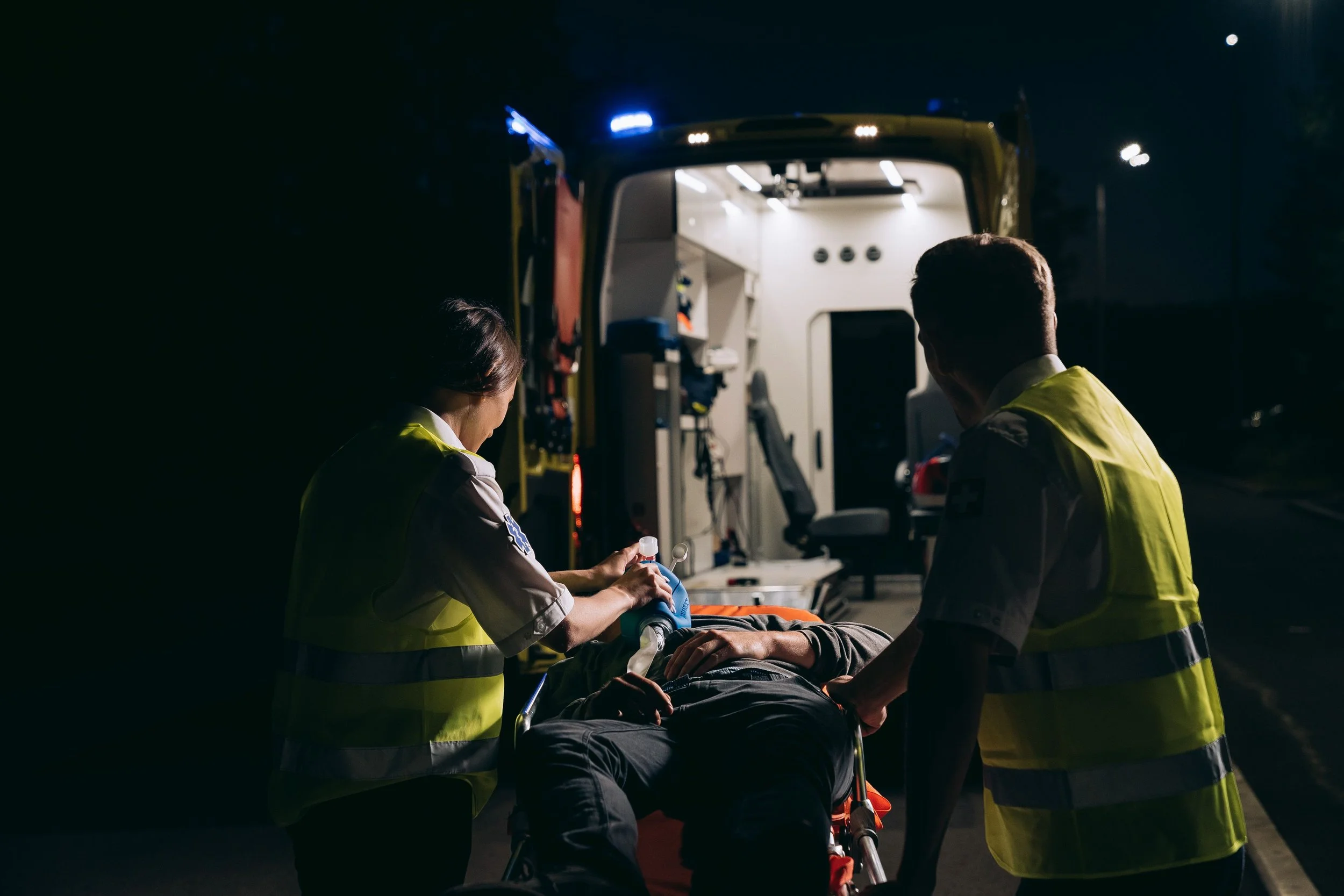
The UK already has around 8.7 million night workers. They keep essential services running, supply chains moving and communities functioning while much of the country sleeps.
As changing weather patterns influence when some work takes place, this number could grow. But increasing nighttime operations requires more than adjusting rotas and extending opening hours.
Night work has a different impact on people.
Human biology is naturally aligned to a cycle of being awake during daylight and sleeping at night. Working against this rhythm can affect sleep, concentration, recovery and wellbeing, particularly when shifts are poorly designed or employees do not have adequate opportunities to rest.
This means that moving work into cooler hours cannot be viewed as a simple operational solution. It needs to be considered alongside the health and safety implications of working at night.
Making wellbeing support accessible
Accessibility remains one of the biggest barriers to effective support for night workers.
Many workplace wellbeing initiatives are still built around daytime schedules. For people working overnight, this can mean programmes are available only when they are sleeping, travelling home or preparing for their next shift.
Night Club was developed specifically to overcome this challenge. Our programmes are designed to fit around the realities of night work, delivering support when workers can actually access it.
Night Club Online extends that flexibility even further. Live sessions can be delivered at any time, allowing employees in different locations, industries and roles to participate without the need to travel or attend daytime training.
Rather than relying on large webinar-style events, sessions are delivered in small groups of up to 12 participants. This creates a more interactive environment where people feel comfortable sharing experiences, discussing challenges and learning practical strategies from others facing similar circumstances.
The online format also provides greater flexibility for employers. Organisations are no longer required to enrol entire departments onto a programme. Individual employees can participate, making support more accessible for smaller businesses, geographically dispersed teams and organisations with relatively small numbers of night workers.
Supporting night workers is a workplace responsibility
Fatigue is a workplace health and safety issue that requires organisational action.
Effective management of night work requires organisations to think carefully about scheduling, workload, recovery time, communication and the support available to employees working outside conventional hours.
Yet many workplace systems are still designed around a daytime workforce.
Training sessions, wellbeing initiatives, occupational health services and internal communications are often built around standard office hours. This can unintentionally leave night workers with reduced access to the very resources designed to support employee health.
There is also a leadership challenge. Managers who have never worked nights themselves may not fully understand the realities of shift work or recognise the signs of fatigue and reduced alertness.
As organisations become increasingly reliant on 24-hour operations, support needs to become available around the clock too.
From shift management to workforce wellbeing
Historically, shift patterns have often been viewed primarily as an operational decision. But the changing nature of work means they increasingly require input from HR, occupational health and health and safety teams.
The question is no longer simply: How do we cover the hours we need?
It is: How do we make those hours sustainable for the people working them?
Forward-thinking organisations are recognising that supporting night workers is not only a wellbeing issue – it also contributes to safety, retention, engagement and performance.
They are investing in better education around sleep, fatigue, nutrition and recovery, while giving managers the knowledge they need to support teams working at different times of day.
Building healthier night work
This is the challenge that Night Club was created to address.
Developed in collaboration with Oxford University’s Sleep and Circadian Neuroscience Institute (SCNi), Night Club helps organisations better understand and support the people who work at night.
Rather than adapting daytime wellbeing approaches for night workers, Night Club starts with the realities of shift work. Its evidence-informed training, events and consultancy focus on the issues that matter most to night teams, including sleep, fatigue, nutrition, mental wellbeing, environment and practical strategies for managing life outside traditional hours.
The programme has already supported more than 15,000 night workers across over 40 organisations, including employers in logistics, healthcare, transport, manufacturing and supply chains.
By bringing education and support directly to night teams – and helping organisations rethink how they communicate, lead and care for a 24-hour workforce – Night Club helps make night work healthier, safer and more sustainable.
Preparing for a changing world of work
Climate change is forcing organisations to reconsider many assumptions about how work happens. In some industries, working outside traditional daytime hours may become an increasingly important part of adapting to a warmer world.
But successful adaptation cannot focus only on operational needs.
If the future of work extends further into the night, organisations will need to ensure that the people making that possible have access to the same level of support, learning and care as everyone else.
A truly 24-hour workforce needs a 24-hour approach to wellbeing.