
DESIGNING THE NIGHT SHIFT FOR PEOPLE AND PERFORMANCE
Designing the night shift for people and performance – takeaways from the night club consortium
Night work keeps the modern world running. From transport networks and logistics hubs to healthcare and manufacturing, millions of people work while the rest of society sleeps. Yet night workers remain one of the most invisible parts of the workforce – often operating in environments that were never designed with their biology, wellbeing or productivity in mind.
At our recent Night Club Consortium event, leaders from across sectors came together with researchers and practitioners to tackle a shared challenge: how do we design night work that works for both people and operations?
Across science, organisational practice and frontline experience, several clear themes emerged.
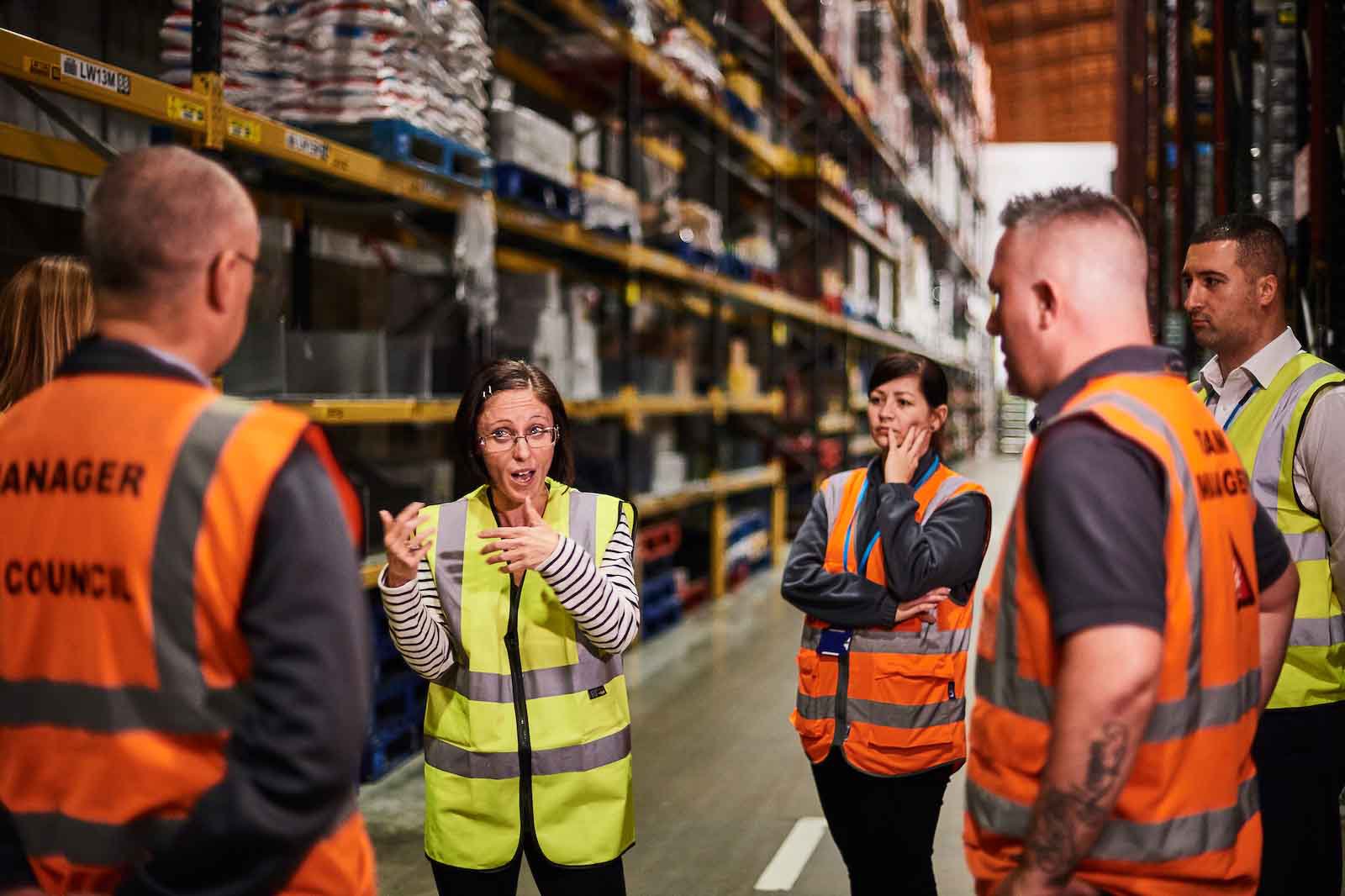
1. Night work needs to move from wellbeing to strategy
For years, sleep and fatigue have been treated as ‘wellbeing issues’ – something addressed through individual coping strategies or personal responsibility. But that framing is increasingly outdated.
The science is unequivocal: fatigue and circadian disruption are structural issues embedded in how work is designed. When organisations treat them purely as individual health problems, they miss the bigger opportunity.
As one speaker noted, the most effective solutions sit at the organisational level: health training, job design, shift patterns, staffing levels, recovery time and leadership culture. In other words, night work isn’t just a wellbeing topic – it’s an operational design challenge.
When organisations address it strategically, the results ripple across the business: improved safety, reduced turnover, fewer absences and better performance.
2. Biology matters – and night work fights it
One of the most striking insights for our Consortium members came from the science of circadian rhythms.
Human physiology runs on an internal 24-hour clock synchronised by light and darkness. That clock regulates everything from sleep and alertness to metabolism, mood and hormone production. Night work disrupts that system.
Most night workers never fully adapt to working at night, meaning they are often awake when their brain is trying to make them sleep – and trying to sleep when their brain is promoting wakefulness.
This misalignment affects both short-term performance and long-term health. Research links shift work with increased risks of accidents, metabolic disease, cardiovascular problems and mental health challenges. But the takeaway from the session wasn’t that night work is impossible.
Instead, the message was clear: when organisations understand the biology, they can design smarter interventions.
3. Small environmental changes can have huge impact
One of the most practical examples discussed was lighting. Most workplaces use warm, dim lighting originally designed for comfort in homes – not for alertness or safety. Yet the human circadian system is highly sensitive to light. Cooler, brighter, blue-enriched light can significantly boost alertness and performance at night.
In one real-world study shared during the session, simply changing workplace lighting reduced medical errors among night staff by around a third.
Lighting isn’t the only environmental factor either. Participants also highlighted:
Food quality: night workers often have access only to vending machines or highly processed food.
Break spaces: environments that support recovery and alertness.
Sleep environments at home: education for workers and their families about protecting daytime sleep.
Taken together, these factors show how workplace design shapes behaviour and outcomes.
4. Leaders don’t lack motivation – they lack clarity
Another theme from the discussion was the complexity facing employers. Most leaders want to support workforce wellbeing. The challenge is knowing what actually works.
Many organisations end up stuck in a cycle of trial and error – implementing initiatives like mindfulness apps or awareness campaigns without addressing deeper structural drivers such as workload, shift scheduling or management practices.
Participants described a growing need for clear, evidence-based guidance that translates research into practical action.
That gap between science and implementation remains one of the biggest barriers to progress.
5. Culture matters as much as systems
Alongside the science, the human side of night work was a recurring thread. Several participants described a lingering “macho culture” around fatigue – where admitting tiredness can feel like weakness. Changing that culture starts with leadership.
When senior leaders talk openly about sleep and fatigue, it legitimises the conversation. When managers visit night shifts in person, it signals that night workers are seen and valued.
One participant shared a simple but powerful suggestion: anyone involved in designing shift schedules should spend time working or shadowing a night shift.
Seeing the reality of night work first-hand can change decisions quickly.
6. Co-creation beats top-down solutions
Another lesson: the best interventions rarely come from headquarters alone. Effective programmes often start by co-designing solutions with the people who actually work nights.
That means asking questions like:
What are the biggest barriers to good sleep?
What’s hardest about your shift pattern?
What changes would make the biggest difference?
Engaging workers directly does two things at once. It surfaces insights leaders might otherwise miss – and it builds trust that change is happening with workers, not to them.
7. The future of night work will be interdisciplinary
Perhaps the most encouraging takeaway from the consortium was the breadth of perspectives in the room. Participants included employers, scientists, policymakers, HR leaders and operational managers – all grappling with the same question from different angles.
That diversity reflects a deeper truth: no single discipline can solve night work alone.
Improving night work requires:
Science to understand sleep and circadian rhythms
Design to reshape environments and shifts
Leadership to drive cultural change
Worker insight to ensure solutions work in practice
The organisations making the most progress are the ones bringing those perspectives together.
Designing the night shift of the future
Night work isn’t going away. If anything, the 24-hour economy is expanding – from logistics and transport to healthcare, digital infrastructure and global operations.
The question is no longer whether night work exists. The question is whether we continue designing it for machines and schedules — or start designing it for humans.
As the consortium discussion showed, the tools already exist: health education for shift workers, better shift design, smarter environments, evidence-based interventions and a culture that recognises the realities of working through the night. The opportunity now is to connect those ideas – and turn them into everyday practice.
Night Club is the specialist partner for better night work. We deliver training, events and consultancy that strengthen health, safety and performance across night teams. Working with us automatically gives you membership to the Night Club Consortium, a group of forward-thinking leaders who meet regularly to share knowledge, insights and experiences.
Get in touch to explore how Night Club can support your employee health and business objectives